Lafayette Building in December 2008
Detroit, MI Photos and info courtesy Richard Weiss
The Lafayette Building occupied one of the most unusual corners in downtown Detroit. Built on a narrow triangular lot where Michigan Avenue, West Lafayette Boulevard, and Shelby Street meet, the 14-story building seemed to rise right out of the pavement like the bow of a ship. Even after sitting vacant for years, it remained one of those buildings that made you stop and look. 12-08
Completed in 1924, the Lafayette Building was designed by noted Detroit architect C. Howard Crane along with Elmer George Kiehler. While Crane is best remembered for his grand movie palaces, the Lafayette showed he could be just as effective designing an office building. Its classical detailing, limestone exterior, and distinctive wedge-shaped footprint made it one of downtown's most recognizable landmarks.
Lafayette Building in October 2009 Photos and info courtesy Richard Weiss
The building's location only added to its character. Because it occupied such a narrow parcel, every angle seemed to offer a different perspective. From one side it appeared broad and imposing. Walk around the block and it suddenly narrowed to a sharp point, giving it a profile unlike almost any other building in Detroit.
The architecture rewarded anyone willing to slow down and look. Decorative stonework, tall windows, ornate cornices, and carefully proportioned facades reflected an era when even commercial office buildings were expected to make a statement. Details like these are easy to overlook until they're gone.
Over the years, the building housed an impressive collection of tenants, including the Michigan Supreme Court, the state's Tax Tribunal, railroad offices, and Henry the Hatter, one of Detroit's best-known retailers. Lawyers, judges, businessmen, and shoppers all passed through its doors, making it a busy part of downtown life for decades.
Lafayette demo
Detroit, MI Photo courtesy Richard WeissBy the time these photographs were taken, however, the Lafayette had become a shell of its former self. Vacant since the late 1990s, broken windows and years of neglect had taken their toll. Even so, the building still carried a certain dignity. Looking up at the weathered stonework, it wasn't hard to imagine how impressive it must have looked during Detroit's boom years.
Standing outside in 2008, there was still a feeling that the building could be saved. Across the country, old office buildings were being converted into apartments, hotels, and lofts. The Lafayette certainly looked like it deserved the same opportunity. Its bones were still there, and its location couldn't have been much better.
Lafayette Building in December 2008
Detroit, MI Photo courtesy Richard Weiss
Like so many historic buildings, the Lafayette came close to being saved. Developers proposed converting it into luxury condominiums, and at one point the city even offered the building to Quicken Loans for just one dollar in hopes of bringing it back to life. None of the plans ever materialized, and the cost of rehabilitation continued to climb.
In 2009, the decision was made to demolish the building. Preservation groups made one last effort to stop the wrecking ball, but the city ruled that the deteriorating structure posed a public safety risk. Over the following months, demolition crews slowly dismantled one of downtown Detroit's oldest office buildings until nothing remained.
Its loss was especially noticeable because of where it stood. For decades the Lafayette had anchored one of downtown's busiest intersections, helping define the streetscape for anyone entering the city along Michigan Avenue. Once it disappeared, the corner suddenly felt much more open—and much less distinctive.
Lafayette Building on November 28, 2009
Detroit, MI Photo courtesy Richard Weiss
Today, the site has been transformed into Lafayette Greens, a peaceful urban garden that serves a very different purpose than the busy office building that once stood there. It's a pleasant space, but it's hard not to wonder what Detroit's skyline might look like today had the Lafayette Building found someone willing to give it a second chance.
UPDATE: The Lafayette Building was demolished between late 2009 and early 2010 after years of vacancy and failed redevelopment efforts. The site is now Lafayette Greens, an urban garden occupying one of downtown Detroit's most distinctive corners. 07-26
More updates that dated back to 2009 and 2010
Lafayette Building on November 28, 2009
Detroit, MI Photo courtesy Richard Weiss
The City of Detroit has now begun demolition of this landmark structure. It's neighbor, the Commerce Building, had been demolished in 2008. Compare the top floors in the picture taken of the Lafayette Building last December (top left) to the one from October 2009 (right).
Soon there will be no large building dominating the background of the Tubby's Submarine Sandwich guy. The building had been empty for years and form the looks of it the interior had been "remuddled"
in the 60's or 70's. This may mean another weed choked lot for Detroit is on the way.
Lafayette Building in December 2008
Detroit, MI Photo courtesy Richard Weiss
Check out the structure with demolition well underway. Who knows what could have been made of this building if preservation and rehabilitation resources had instead been used.
UPDATE: Below are photos of the Lafayette Building from November 28, 2009. They are slowly picking apart the structure much as they did with the Statler Hotel a few years ago. The east wall is now gone and the semi-circle shows it was the landings for the elevator shafts. The interior had the standard 1960's remuddling that took away all of it's character and charm making it look like a boring office building in the 'burbs. Many thanks to Richard Weiss for photos and update. 11-09
Lafayette Building in December 2008
Detroit, MI Photo courtesy Richard Weiss
UPDATE: The giant "Police" lettering in the picture above is left over from the area being used as a set for the movie Red Dawn that was filming there in October 2009. For the movie they made the parking structure look like police HQ and they even covered up the roof with fake roofing material and air conditioners. Many thanks to Richard Weiss and update. 02-10




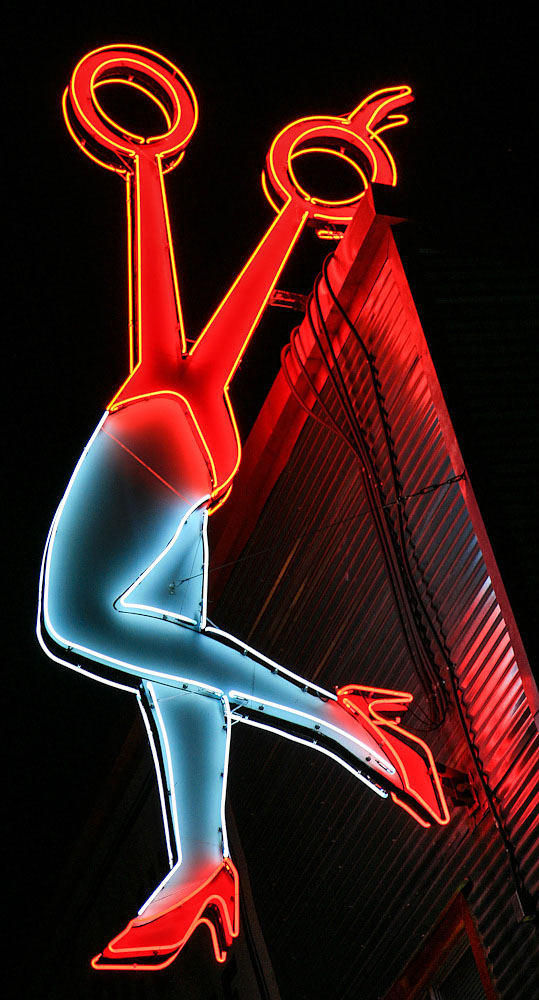
 Lafayette Building in December 2008
 Lafayette Building in October 2009
 Lafayette demo
 Lafayette Building in December 2008
 Lafayette Building on November 28, 2009
 Lafayette Building on November 28, 2009
 Lafayette Building in December 2008
 Lafayette Building in December 2008